
304 vs 316 Stainless Bird Mesh for Coastal Solar Sites
Short answer: use 304 stainless steel mesh where the site is inland or only mildly exposed, and use 316 stainless mesh on genuinely coastal sites where salt-laden air, wind-driven spray and constant damp sit against the panel edge all year. Both are welded to a 12.7 mm (1/2″) opening, both come in the same widths from 4″ to 8″, and both use the same clip system, so the change is about the wire, not the install. On our side, 316 stainless mesh is available with a 25-year warranty (free replacement mesh); 304 and galvanised mesh do not carry that warranty. If you are specifying a 6″ roll for a job, the 6-inch 304 stainless steel solar panel bird mesh page shows that standard format.
This guide is written for solar installers, solar cleaners, pest-control companies, distributors and wholesalers in Australia, the US and the UK. It walks through how a 304 vs 316 stainless bird mesh order is put together, what can be changed, the specs, where each grade fits, the trade-offs that actually affect a job, and how packing and fitting work once an order is placed.
What This 304 Vs 316 Stainless Bird Mesh Order Covers
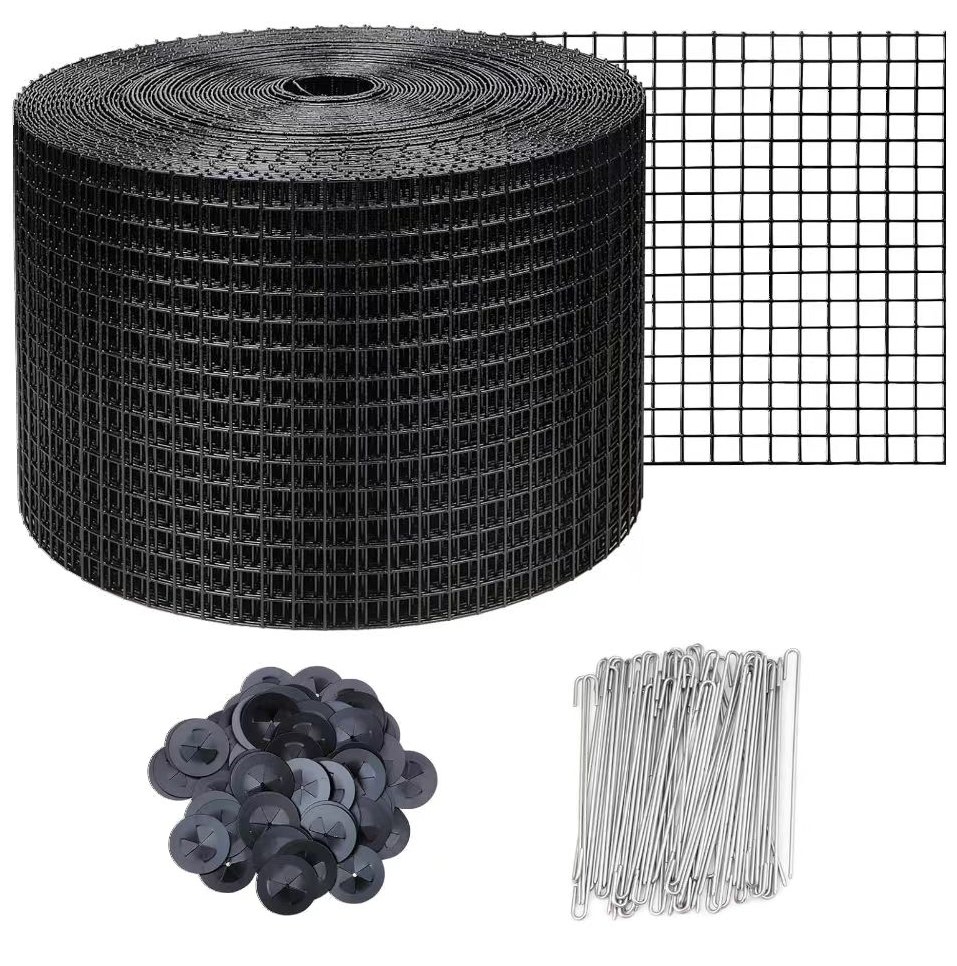
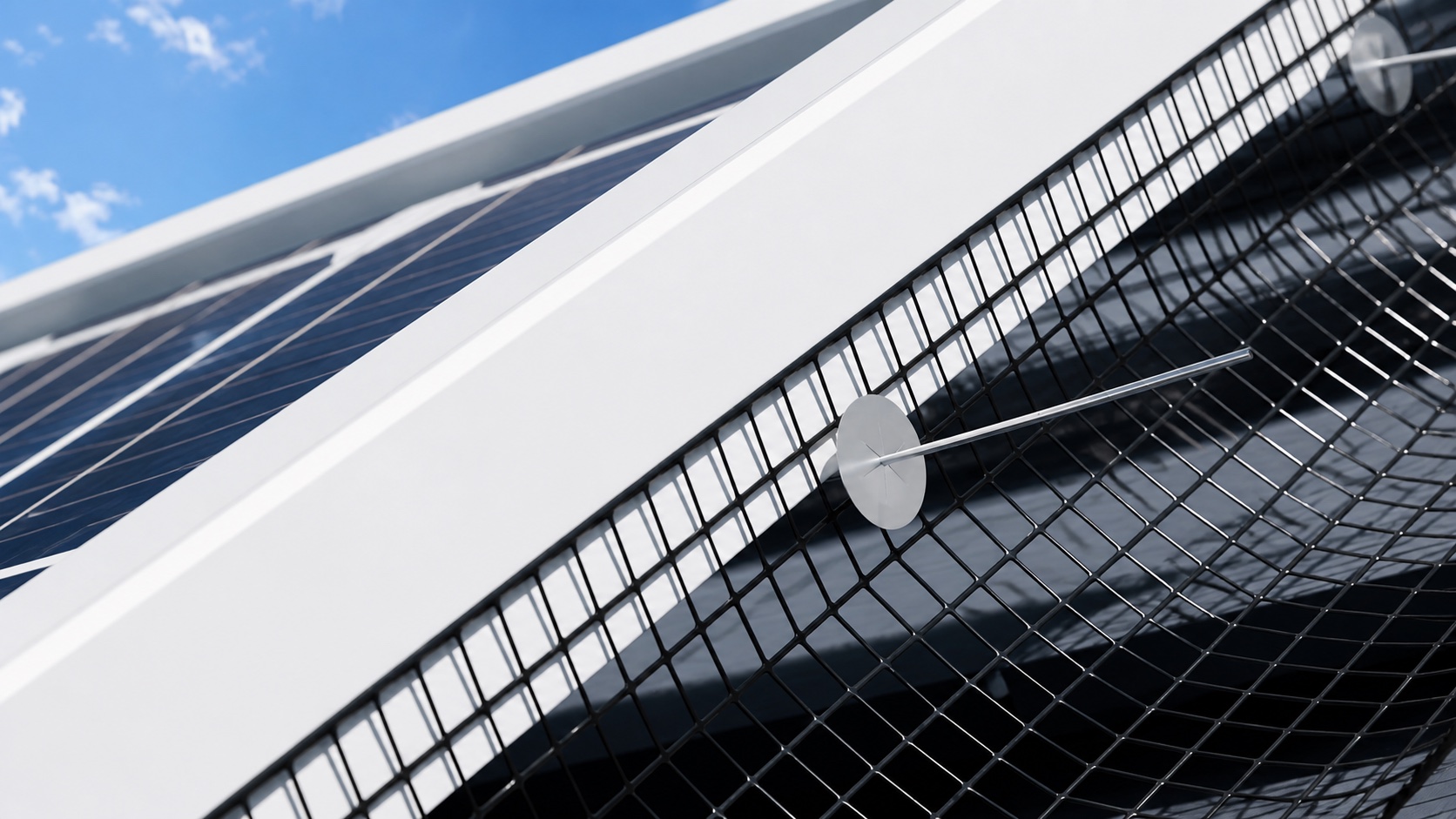
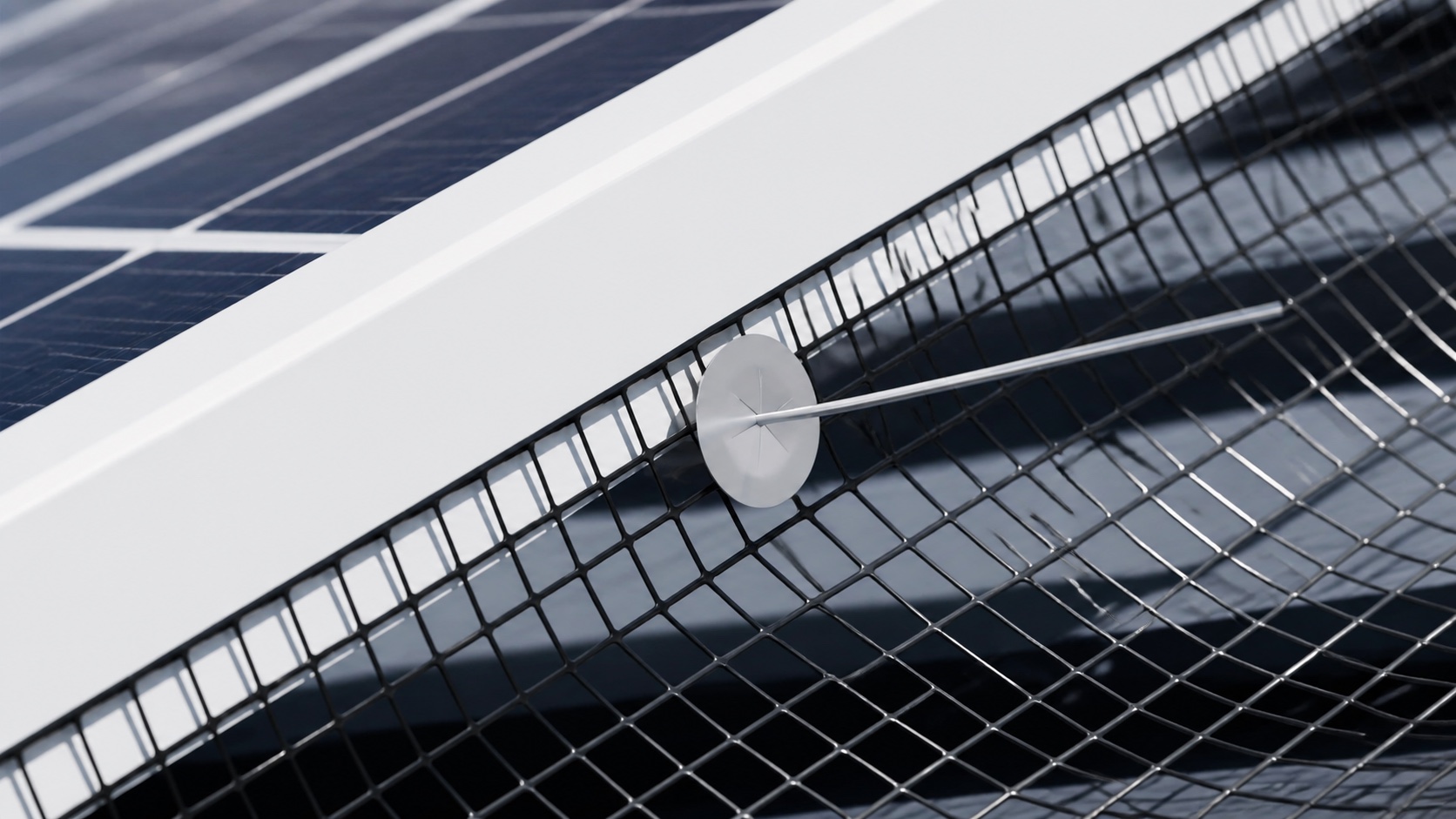
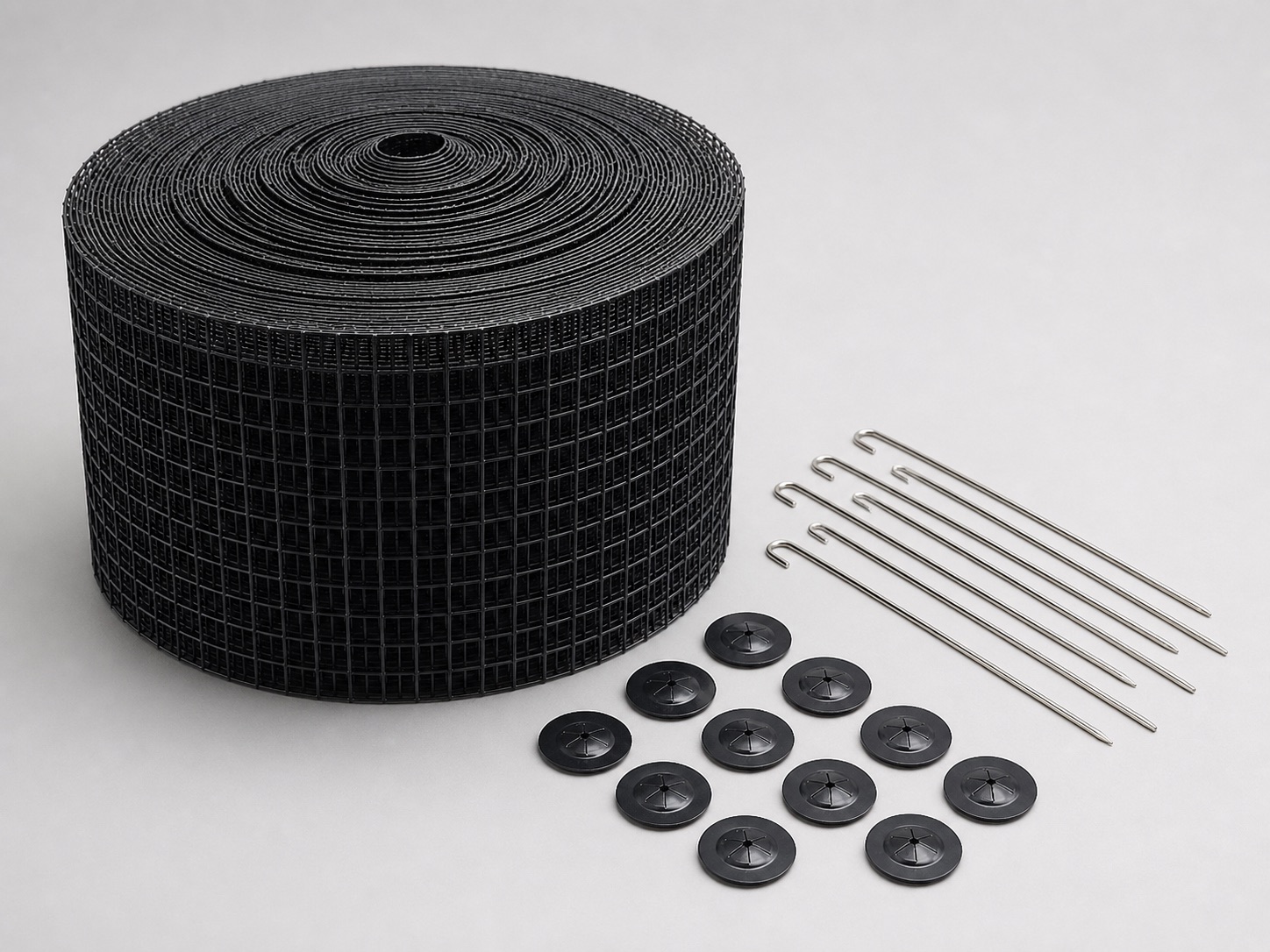
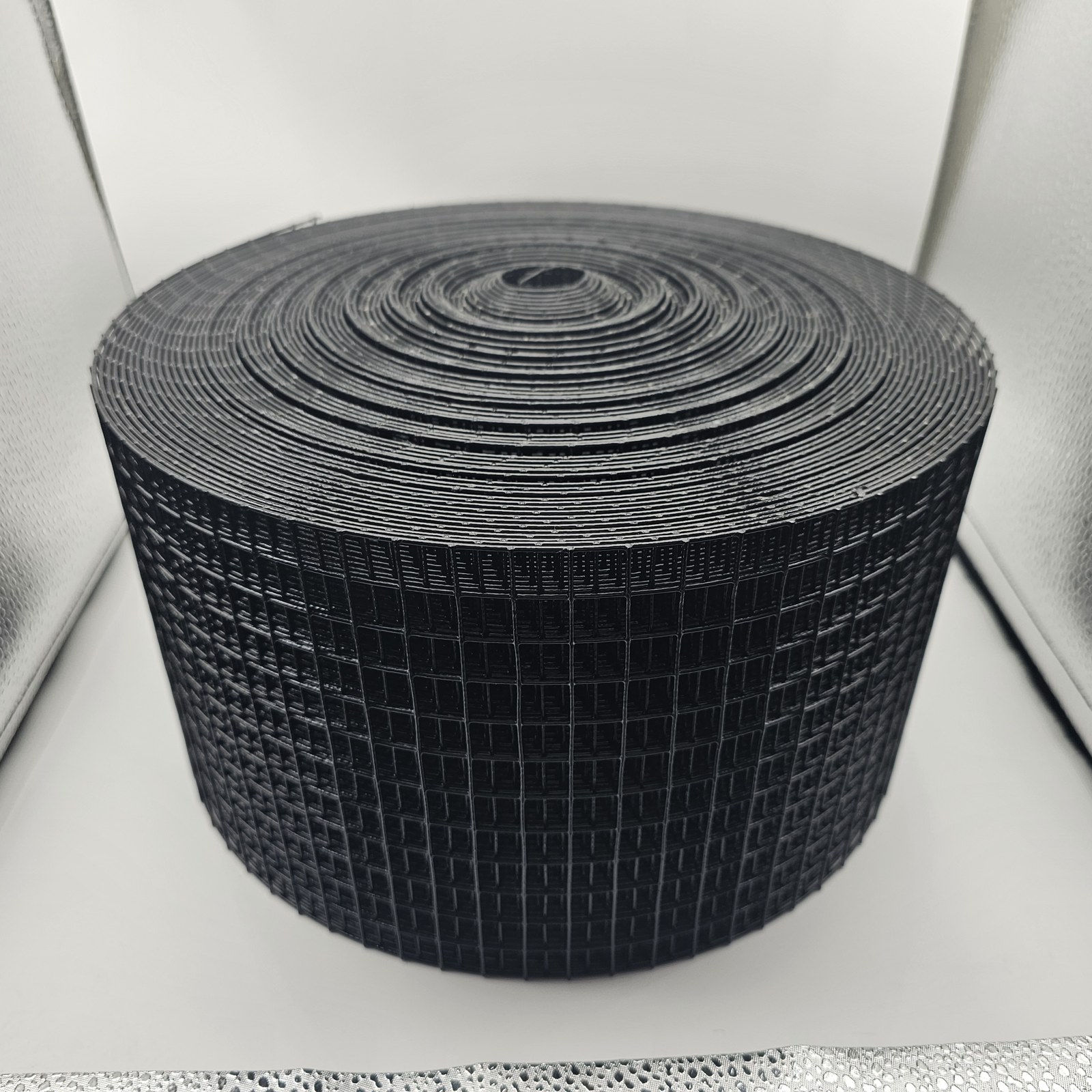
Solar panel bird mesh is a welded wire mesh that closes the gap between the panel frame and the roof surface. Pigeons, rodents and squirrels use that gap to nest under the array, and once they are in, the mess, the smell and the blocked airflow become a maintenance problem for whoever services the site. The mesh is fixed along the panel edge with clips, so the bird and critter route under the panels is closed while the array still ventilates.
An order for 304 or 316 stainless bird mesh covers the mesh roll itself, the clip sets that go with it, and the packaging and delivery terms around both. The mesh is the part being bought in a specific grade; the clips are chosen separately in stainless steel, aluminium or nylon, and the packing format depends on roll count.
The two grades differ in what we list them for. 304 is offered as uncoated stainless, and it is the grade used where the site is inland or only mildly exposed. 316 is offered as a mesh grade with a 25-year warranty (free replacement mesh), and it is the grade to specify where the mesh will sit in salt air for years without being taken down. Both are available in our standard widths and roll length, so a distributor can stock one clip range and hold both grades.
If you are still deciding whether stainless is needed at all, the comparison of PVC-coated steel versus stainless solar bird mesh explains where each material sits on a budget-led job. This page assumes you have already decided to go stainless and are now choosing the grade.
What You Can Customize
Most of the order is set by the standard range, and a smaller set of things can be changed. Knowing which is which keeps a quote moving.
Wire grade and coating. Stainless can be supplied as PVC-coated stainless wire, or as uncoated 304 stainless. The PVC coating gives the familiar black finish and matches the look of the panels; uncoated stainless is bare wire and is the option trade buyers take when the finish matters less than the wire. 316 is available as a mesh grade with the 25-year warranty (free replacement mesh).
Width and roll length. Seven standard sizes are held across the range: 1.0 mm wire in 4″, 6″ and 8″; 1.3 mm wire in 5″, 6″ and 8″; and 1.2 mm wire in 8″. Roll length is 100 ft (30 m). Non-standard sizes such as 200 mm × 30 m or 16″ high can be made on request, which is useful where a job has a specific reveal depth.
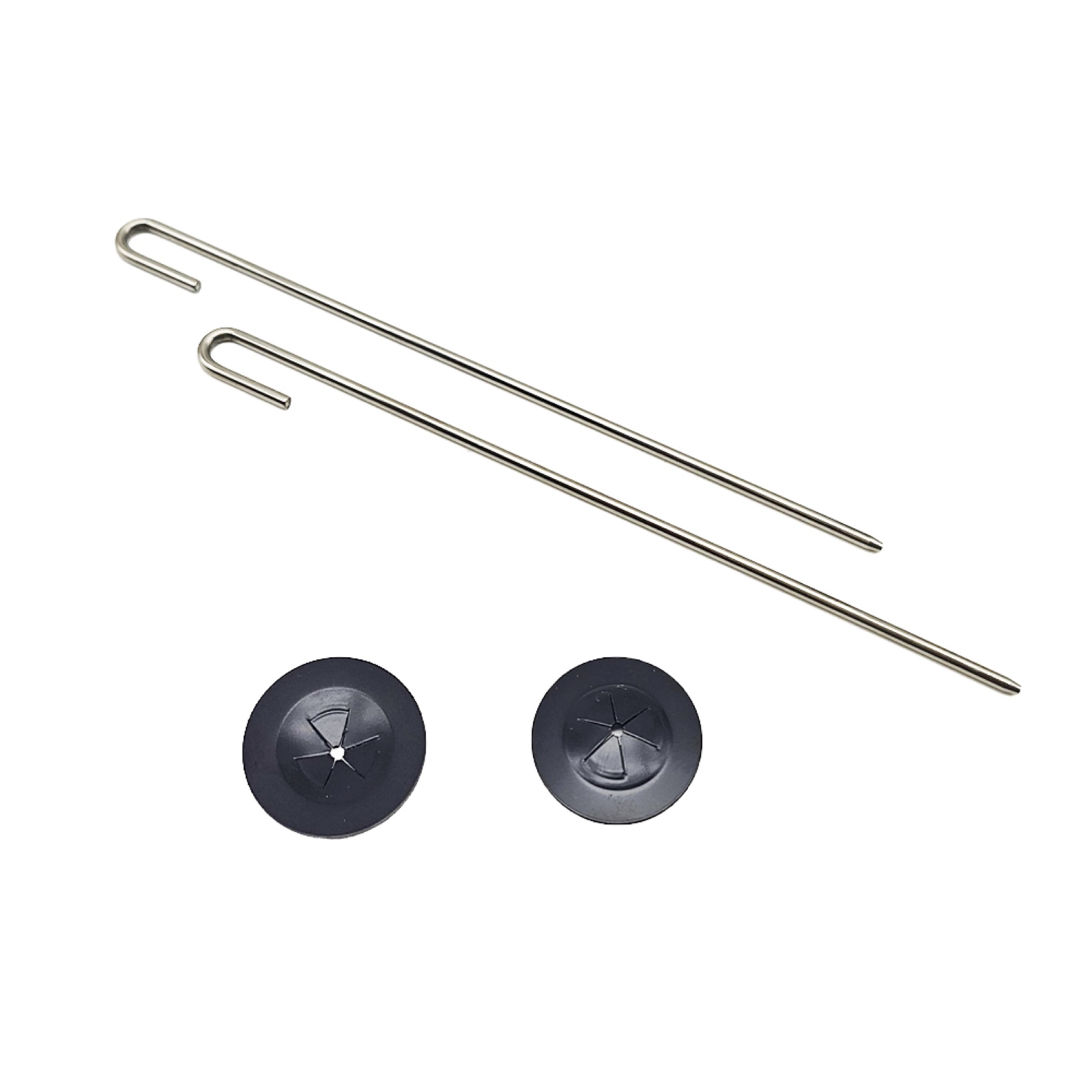
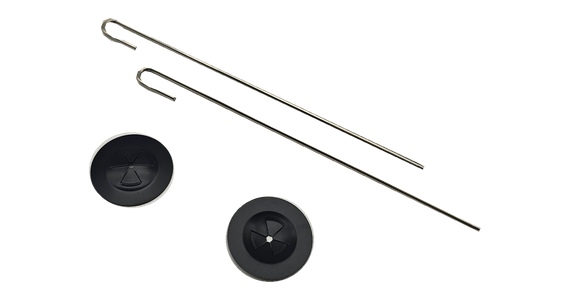
Clips. Stainless steel, aluminium or UV-resistant non-metallic nylon. Each roll is supplied with 60, 80 or 100 clip sets, and 100 is the default. The stainless clip is a J-shaped stainless hook wire plus a black retaining disc with a star cut; discs come in large and small. The nylon option is non-conductive and UV-resistant.
Packaging. A plain carton with your logo sticker is free. A custom printed colour box is charged at printing cost with no minimum, which suits a distributor building its own shelf product.
What is not a free variable is the mesh structure: it is welded, 12.7 mm (1/2″) opening, and that does not change per order. If you are building a kits-based range, the trade guide to solar panel mesh kits covers how rolls, clips and boxes combine.
Options and Specifications
The table below maps each option to its sizes and to where it fits. It is a guide for ordering, not a substitute for reading the job.
| Option | Sizes / format | Where it fits |
|---|---|---|
| 304 stainless, uncoated | Standard widths 4″–8″ (about 100–200 mm); 100 ft (30 m) rolls | Inland or mildly exposed sites; buyers who want bare stainless wire |
| 304 stainless, PVC-coated | Black PVC-coated stainless wire; same widths and roll length | Rooftop jobs where a black finish is wanted on a 304 job |
| 316 stainless | Available as a mesh grade; 25-year warranty (free replacement mesh) | Coastal sites with salt-laden air and wind-driven spray; long-life specifications |
| Wire diameter | 1.0 mm, 1.2 mm, 1.3 mm (after coating) | Pick the wire weight that suits the handling the edge will see |
| Width | 4″, 5″, 6″, 8″ (about 100, 125, 150, 200 mm) | Match the panel-to-roof gap and the reveal you need to close |
| Roll length | 100 ft (30 m) | Standard trade roll; 200 mm × 30 m is common in Australia and the UK, 6″ × 100 ft in the US |
| Clips | Stainless (J-hook + disc), aluminium, or UV-resistant nylon | Choose the material that matches the fix the site needs |
| Clip quantity per roll | 60, 80 or 100 sets; 100 by default | Higher counts for tighter fixing intervals or larger arrays |
| Packing | 1.0 mm two rolls per carton (10 rolls = 5 cartons); 1.3 mm one roll per carton; under 50 rolls in cartons, 50+ on pallets | Wholesale pallets versus small installer orders |
| Branding | Free logo sticker; printed colour box at printing cost, no minimum | Distributors and wholesalers building a shelf product |
A typical trade order mixes a small number of widths and one grade. A distributor selling into both inland and coastal postcodes may hold stock in both 304 and 316 so installers can order by site. Roll weights vary by size; for example, a 1.0 mm × 8″ roll is 3.4 kg and a 1.2 mm × 8″ roll is 4.5 kg, both excluding clips, and 100 stainless clip sets weigh about 0.5 kg.
Where It Is Used
Residential rooftop arrays. The largest volume use. A single-story or two-story roof with a clear gap under the panel row is the classic case. For inland homes 304 is the usual specification; homes within sight of the sea are where 316 earns its place.
Coastal and near-shore installations. Salt air is the deciding factor. On a site where onshore wind carries spray onto the roof, the mesh lives in a damp, chloride-rich film for most of the year. This is the case for 316. The guide to installing solar panel bird proofing in cyclone-prone Australia covers the fixings and wind considerations on exposed coastal roofs.
Commercial and industrial rooftops. Larger arrays mean longer runs and more clips. Buyers here tend to specify one grade site-wide for consistency and stock a single clip type. See stainless steel solar panel bird mesh for the range view.
Pest-control and maintenance contracts. Companies that install and then service arrays need a material they can stand behind on a maintenance schedule. The pigeon proofing supplies for pest controllers page is written for that route to market.
Retrofit and new-build. Retrofits go onto existing arrays where birds are already active; new-build work is planned in before handover. Both use the same mesh and clips, and the retrofit symptoms and safe-fix guide covers what to look for on an active site.
Wholesale and distribution. Distributors and wholesalers buy across widths and grades and need packing that suits pallet freight. The solar mesh wholesale Australia page covers that channel in more depth.
Key Trade-offs When Choosing
Cost versus service life. The most common mistake is buying 304 for a genuinely coastal site to save on the line item, then facing a callback when the mesh looks tired years before the panels do. The reverse mistake costs money too: 316 on every inland job adds spec where the site does not need it. A simple rule of thumb used across the trade is to walk the site, note whether you can smell or feel salt on the wind, and let that decide the grade. Where the site sits just inside the coastal band, the honest answer is that the buyer sets the line: 304 is the standard specification, 316 is the long-life one.
Warranty expectations. Only 316 carries the 25-year warranty (free replacement mesh). If a client asks for a long warranty on the mesh, that points to 316. Galvanised and 304 mesh do not carry the 25-year warranty, so do not quote it against them.
Coated versus uncoated stainless. PVC-coated stainless wire gives a black finish that disappears against the frame and panel. Uncoated 304 is bare wire: cheaper to specify, but visually more noticeable. Neither coating changes the underlying grade, so a coated 304 is still a 304 job.
Wire diameter. 1.0 mm, 1.2 mm and 1.3 mm are all available after coating. Pick the diameter against the handling the edge will see and the finish you want, not just price.
Clip material. Stainless clips match a stainless mesh. Aluminium clips are the second metal option. Nylon clips are non-conductive and UV-resistant, which some buyers prefer on arrays where isolation matters. Whichever you choose, keep the same clip type across a site for consistency.
Mesh versus the alternatives. The mesh is a physical barrier fixed to the panel frame. It is not a coating, a spray or a moving part, so it either closes the gap or it does not. Where the gap profile is awkward, custom widths such as 200 mm × 30 m or 16″ high can be made, but check the panel maker’s instructions before altering anything that touches the frame.
Site safety and panel warranty. Any roof work carries risk. Follow the panel maker’s instructions for anything that touches the frame, and follow local working-at-height and electrical safety rules for the site. Mesh and clips are fitted to the frame edge only; they do not involve opening the array or the wiring.
Packing, Lead Time and Fitting
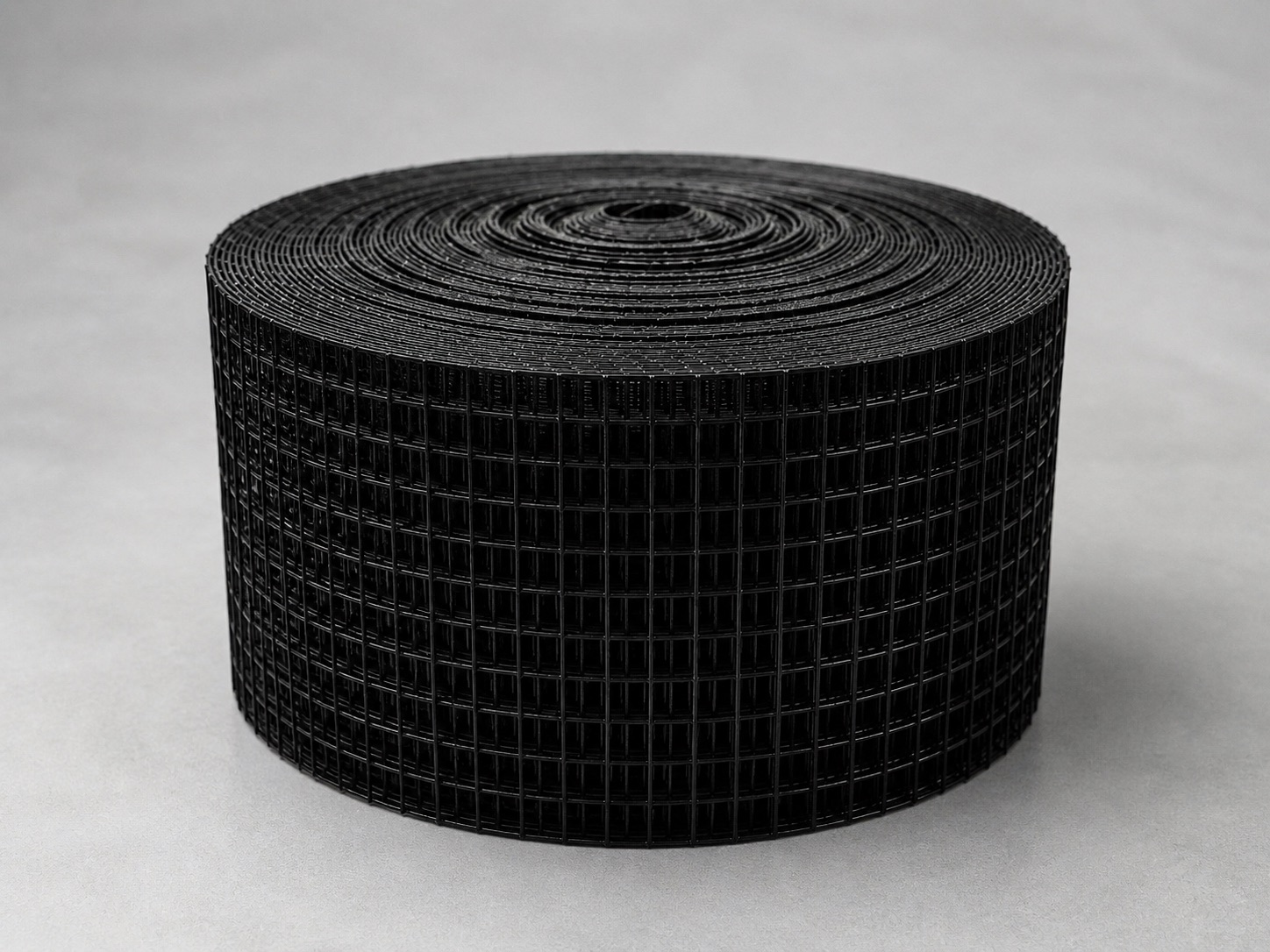
Packing. 1.0 mm rolls are packed two rolls per carton, so 10 rolls make 5 cartons. 1.3 mm rolls are one roll per carton, with carton sizes of 300 × 300 × 130 mm (5″), 300 × 300 × 160 mm (6″) and 300 × 300 × 210 mm (8″), weighing 3.8 kg, 4.5 kg and 5.8 kg respectively, excluding clips. Orders under 50 rolls ship in cartons; 50 rolls and above go on pallets. Plain cartons with your logo sticker are free. If you are weighing up cartons against pallets for a wholesale order, the shipping and DDP page sets out how delivery works.
Lead time. 304 and 316 stainless are made to order from 10 rolls, and production takes about one week. Galvanised stock in 6″ and 8″ at 1.0 mm and 1.3 mm ships once confirmed, and stainless is not the same as stock, so plan the grade against the job date. For context, the how to order solar bird mesh page walks the order from enquiry to dispatch.
Delivery. Door-to-door duties-paid (DDP) delivery is available. To Australia, allow about 6–8 weeks from payment to your door, of which around 30–35 days is at sea; booking, loading and customs clearance sit either side of that. Freight is quoted as a separate line with its own amount, so the mesh price and the freight price are visible separately.
Samples. One roll is free and the buyer pays freight; stock samples can ship the same day. For a distributor trialling a coastal grade, a sample roll is the cheapest way to see the wire and finish. The sample request and MOQ page covers the order minimums around this.
Fitting. The stainless clip is a J-shaped hook wire that hooks onto the panel frame, with a black retaining disc pressed on to hold the mesh tight. The disc has a star cut and comes in large and small sizes; the clip is pressed with pliers and the mesh and wire ends trimmed. The solar panel bird guard mesh installation guide and the installation resources cover the sequence, and installation videos and instructions are available. For coastal jobs where wind is a factor, the cyclone-prone install guide is the relevant read. Clips are also covered separately in the solar panel mesh clips page.
Payment. PayPal for small orders, or bank transfer; larger orders can be 30% deposit and 70% before shipping. Cash on delivery is not accepted.
How a Custom Order Works

A 304 vs 316 stainless bird mesh order runs in four steps, and each step is short.
1. Set the grade and the widths. Tell us the site type and the widths needed, plus whether the mesh should be coated or uncoated stainless and which grade. If the job mixes inland and coastal sites, split the order by grade rather than picking one for everything.
2. Choose clips and packing. Clip material and clip count per roll (60, 80 or 100, default 100). Then decide cartons or pallets, and whether you want your logo sticker or a printed colour box. The OEM and private label page covers branded packaging.
3. Quote and confirm. Stainless is made to order from 10 rolls, and production takes about a week. Freight is quoted as its own line, and DDP delivery is available. Where a 6″ 304 roll is the spec, the 6-inch 304 stainless steel solar panel bird mesh page shows the standard format; the stainless steel range page and the solar panel bird guard mesh overview show the rest of the stainless options. When the grade and widths are settled, you can send the details straight through the quote request page and we will reply with the mesh and freight lines separately.
4. Ship and fit. Cartons below 50 rolls, pallets at 50 and above. Installation videos and instructions travel with the order. Payment is PayPal for small orders or bank transfer, with 30% deposit and 70% before shipping for larger orders.
If you are ordering in volume, the bulk solar panel bird mesh price direct from the factory page explains what drives the number, and the page on what solar panel bird mesh costs gives the cost context. For a range that covers both grades and all widths, the wholesale solar bird guard mesh page is the trade entry point. We are a manufacturer in Anping, Hebei, and the Fangyi Hardware manufacturer page covers the factory and its background.
The short version for a buyer deciding today: put 316 on the coastal jobs that need to last, keep 304 for everything inland, hold one clip type across the range, and order both grades in pallet quantities so the packing works for your warehouse. That keeps the spec honest, the warranty claim clean, and the installer’s callback rate down.

FAQ
Should I use 304 or 316 stainless bird mesh on a coastal site?
Use 316 on genuinely coastal sites where salt-laden air and wind-driven spray sit against the panel edge. 304 is the standard specification for inland and sub-coastal jobs, and only 316 carries the 25-year warranty (free replacement mesh).
Does the 25-year warranty apply to 304 or galvanised mesh?
No. The 25-year warranty (free replacement mesh) applies to 316 stainless mesh only. Galvanised and 304 mesh do not carry it.
What sizes are available in stainless bird mesh?
Stainless comes in the standard widths from 4" to 8" (about 100 to 200 mm) at 100 ft (30 m) per roll, with wire diameters of 1.0 mm, 1.2 mm and 1.3 mm after coating. Non-standard sizes such as 200 mm × 30 m or 16" high can be made on request.
What is the minimum order and lead time for stainless mesh?
Stainless is made to order from 10 rolls, with production taking about one week. Standard stock sizes have a 10-roll minimum and mixed sizes are allowed.
How is the mesh packed for shipping?
1.0 mm rolls ship two per carton, so 10 rolls make 5 cartons, and 1.3 mm rolls ship one per carton. Orders under 50 rolls go in cartons and 50 rolls or more go on pallets.
Can the mesh be coated or left as bare stainless?
Yes. Stainless can be supplied as PVC-coated stainless wire in black, or as uncoated 304 stainless. The coating changes the finish, not the underlying grade.
How long does delivery to Australia take?
Door-to-door duties-paid delivery to Australia is about 6–8 weeks from payment to your door, of which around 30–35 days is at sea. Booking, loading and customs clearance sit either side of the sea leg.
What clip options go with stainless mesh?
Clips come in stainless steel, aluminium or UV-resistant nylon, with 60, 80 or 100 sets per roll and 100 as the default. The stainless clip is a J-shaped hook wire with a black retaining disc in large or small sizes.
Request a Quote
Send your drawing or size list, the quantity and the delivery country, and we will reply with options and a quote. Request a quote.