
8 Inch x 100ft Solar Panel Bird Guard | Trade Supply
Short answer: An 8 inch x 100ft solar panel bird guard is a 100 ft (30 m) roll of welded mesh, 8 inches (about 200 mm) wide, with a 1/2 inch (12.7 mm) opening and black PVC coating over galvanised wire — available in 1.0 mm, 1.2 mm and 1.3 mm wire diameters, packed with clips for fixing the mesh to the panel frame and closing the gap above the roof. Trade buyers order it from 10 rolls for stock sizes, can mix sizes to reach the minimum, and can add stainless steel or upgraded clips, custom cartons and door-to-door delivery.
What an 8 inch x 100ft roll covers on a solar array

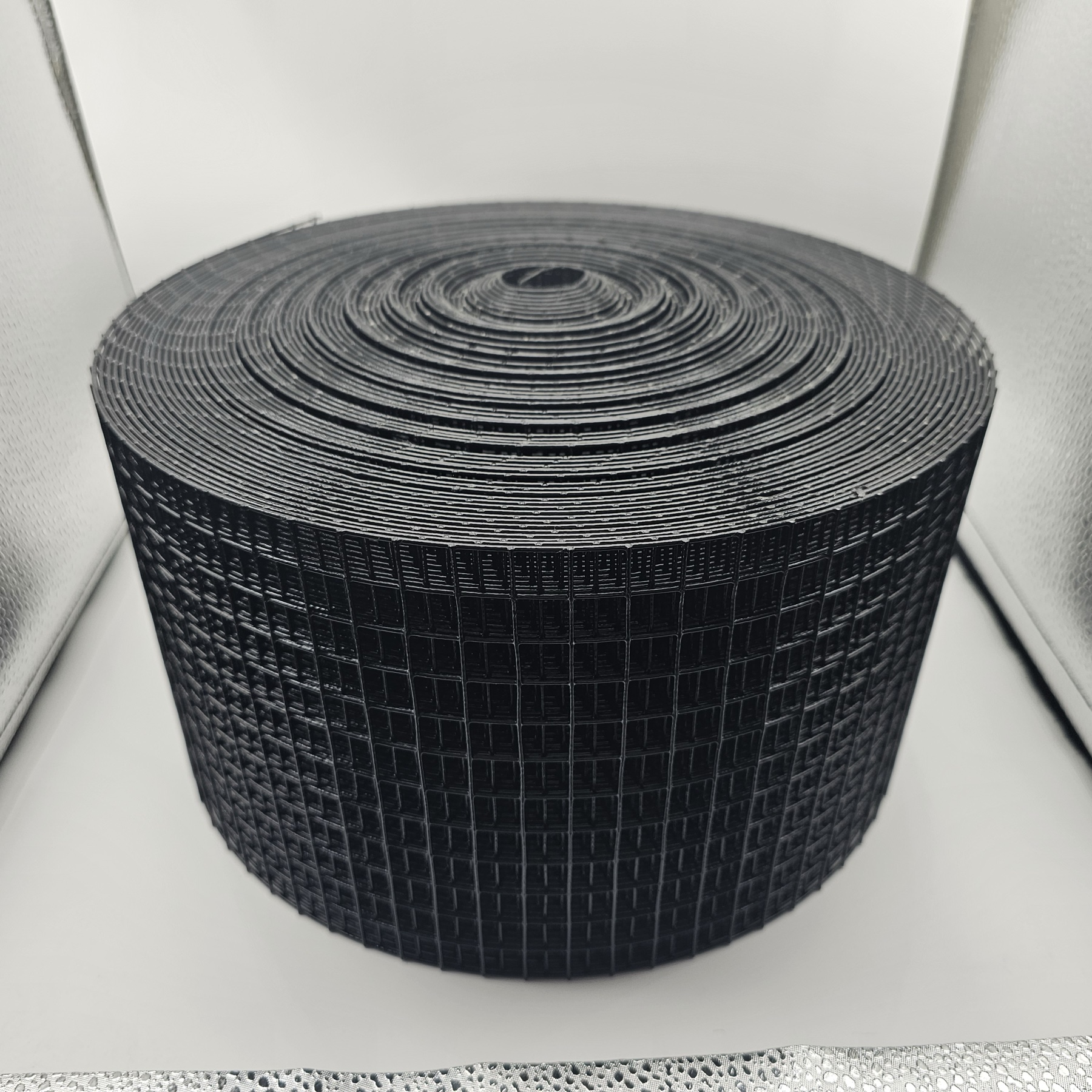
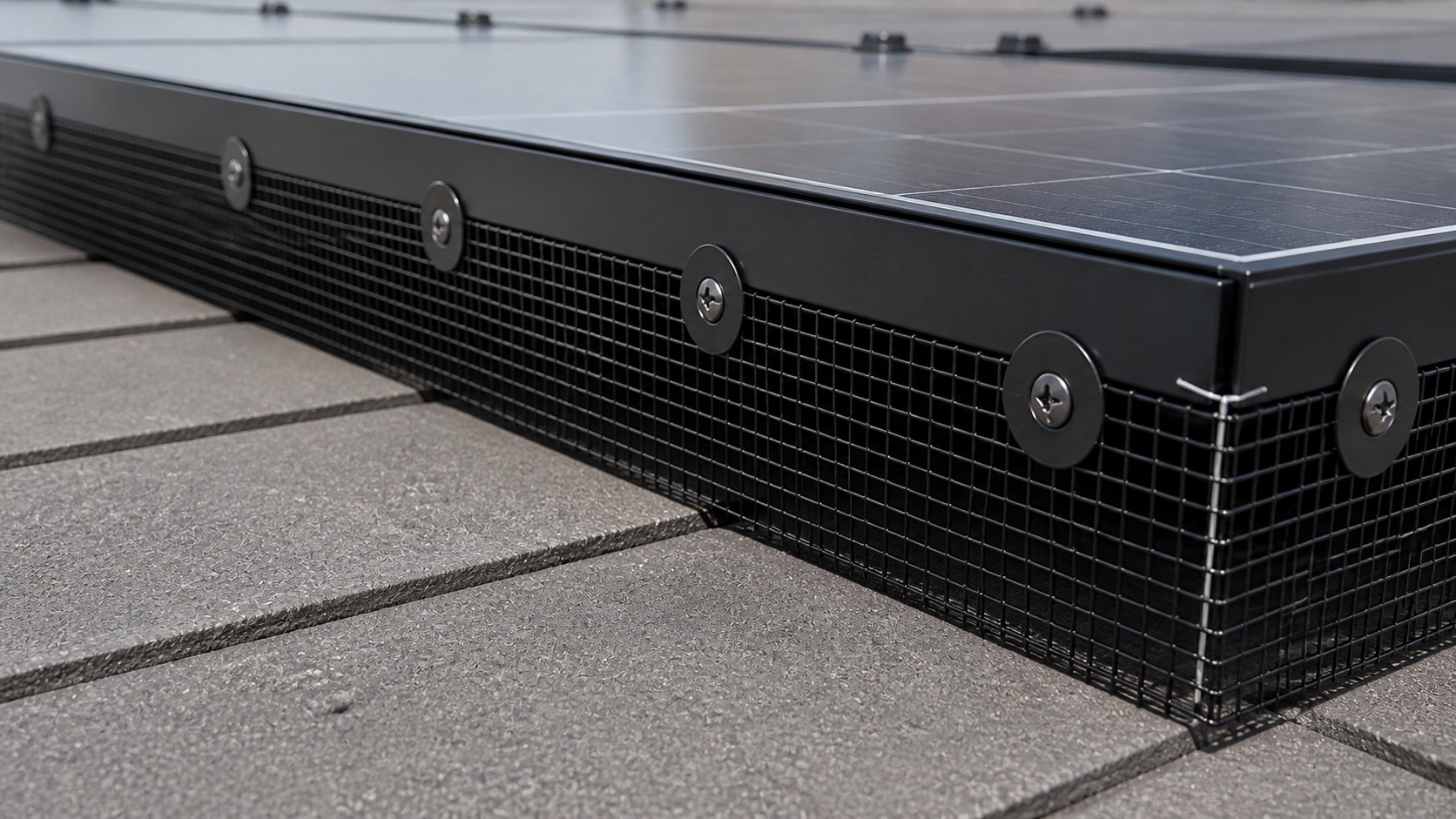
This roll is built for one job: closing the gap between the panel edge and the roof surface so pigeons, rodents and squirrels cannot get under the array and nest. The mesh is bent into a shallow profile along the panel frame, clipped to the frame, and trimmed where it meets the roof. The 8 inch height gives enough mesh to span the gap on most pitched and low-slope residential roofs and to tuck a little under the tile or sheeting line without stretching the roll tight.
Each roll runs 100 ft (30 m), so the number of rolls you need follows the perimeter you are closing, not the panel count. A typical job figures the outside edges of the array — front, back and both ends — because birds work the shortest route in. One roll covers a long run; small arrays may need only part of a roll, so plan mixed sizes across a batch rather than ordering single rolls.
The 1/2 inch opening is the working part of the design. It is small enough to stop pigeons and rodents passing through, while the welded grid stays rigid when bent and does not sag between clip points. Black PVC coating over galvanised wire gives a dark finish that reads as part of the panel frame from ground level and adds a layer over the steel.
If you are specifying across several roof types, the mesh width guide explains how 4, 5, 6 and 8 inch rolls divide between gap sizes, and the galvanised roll range shows how this 8 inch roll sits alongside the in-stock 6 inch line.
What you can change on this roll

You are not limited to one build. The lever most buyers pull first is wire diameter, because it sets how stiff the finished guard feels and how the roll handles in the van.
1.0 mm is the lightest build and the usual pick for straightforward residential work where the gap is even and the run is short. It bends easily by hand and keeps packing light — the 1.0 mm × 8 inch roll is 3.4 kg before clips. 1.2 mm in 8 inch is a middle option at 4.5 kg per roll, useful when you want a firmer edge profile without going to the heaviest wire. 1.3 mm in 8 inch is the stiffest of the three and is the better fit if your crews want a guard that holds its shape on longer spans or on roofs where the gap line is uneven.
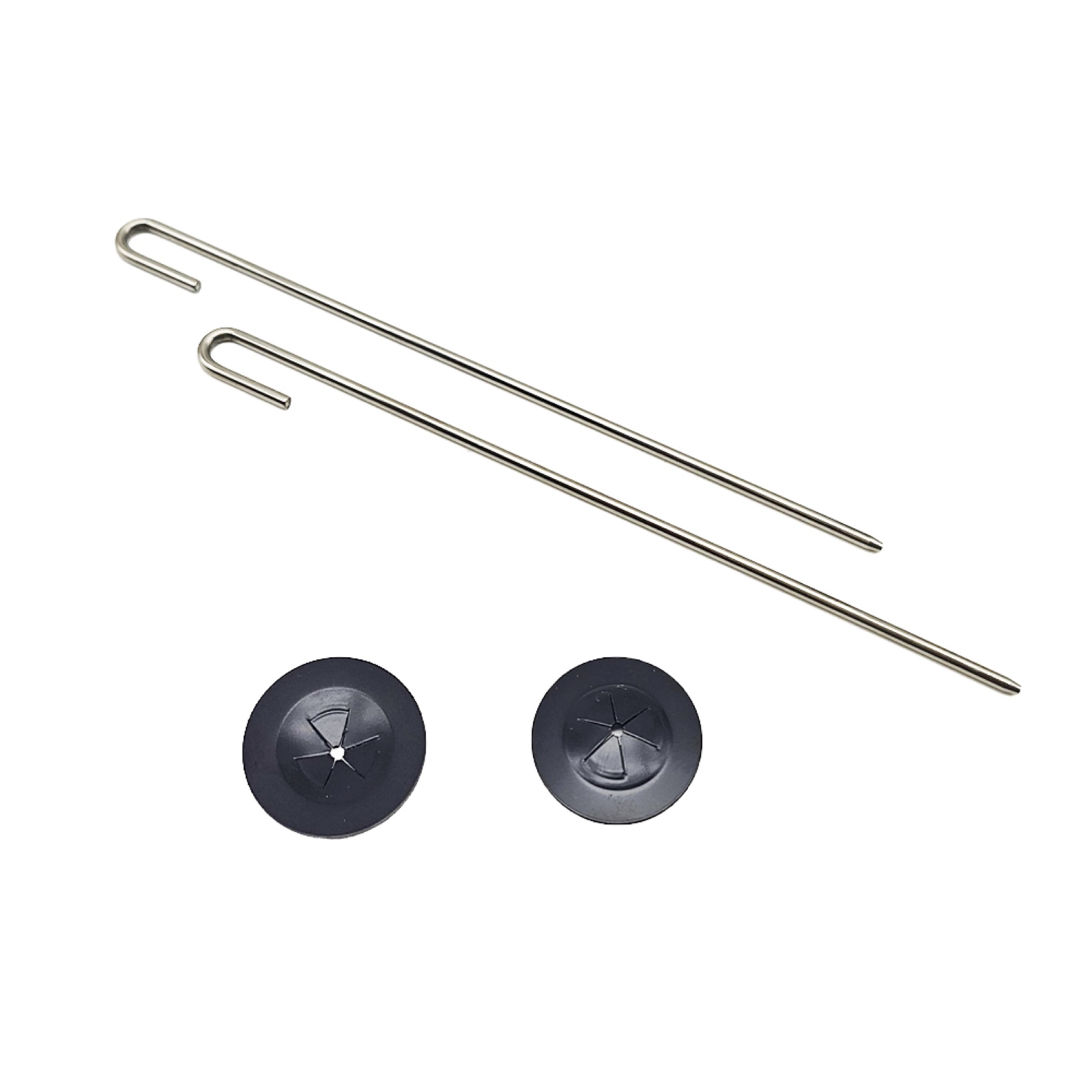
Clip material is the second choice. Stainless steel clips are a J-shaped hook wire with a black retaining disc that has a star cut in the centre — the wire passes through the mesh, the disc presses down and holds the mesh against the frame. Aluminium clips work on the same principle. Nylon clips are non-metallic and UV-resistant, which matters on exposed roofs where a metal-to-metal contact is not wanted. All three are offered at 60, 80 or 100 sets per roll, with 100 sets as the default. For a closer look at the differences, see the clip options page and the clip buyer guide.
Coating and base metal can also change. Standard is galvanised wire with black PVC. Stainless builds are available as PVC-coated stainless wire or as uncoated 304 stainless, and 316 stainless mesh can be supplied with a 25-year warranty (free replacement mesh). Galvanised mesh does not carry this warranty. If your market is coastal or the site sits close to salt water, the stainless mesh for coastal sites page sets out what each grade is for; note that we have no salt-spray test data, so treat corrosion resistance as general industry guidance rather than a quoted life.
Cartons are another lever. Standard packing is a plain carton with your logo sticker applied free. A custom printed colour box is charged at printing cost with no minimum quantity, which suits distributors building a shelf-ready line. Everything about that route sits on the OEM and private label page.
Options and specifications
The table below lines up the builds we supply in 8 inch × 100 ft and the situations each one fits. Wire diameters shown are after coating.
| Build | Width × length | Mesh opening | Coating / base metal | Roll weight (excl. clips) | Where it fits |
|---|---|---|---|---|---|
| 1.0 mm galvanised | 8 in (200 mm) × 100 ft (30 m) | 1/2 in (12.7 mm) | Black PVC over galvanised wire | 3.4 kg | Standard residential gaps, short runs, light handling in the van |
| 1.2 mm galvanised | 8 in (200 mm) × 100 ft (30 m) | 1/2 in (12.7 mm) | Black PVC over galvanised wire | 4.5 kg | Firmer edge on longer runs without going to the heaviest wire |
| 1.3 mm galvanised | 8 in (200 mm) × 100 ft (30 m) | 1/2 in (12.7 mm) | Black PVC over galvanised wire | 5.8 kg (one roll per carton) | Long spans, uneven gap lines, crews wanting maximum stiffness |
| PVC-coated stainless | 8 in × 100 ft on request | 1/2 in (12.7 mm) | Black PVC over stainless wire | On request | Coastal or high-exposure roofs where the black finish must be kept |
| 304 stainless, uncoated | 8 in × 100 ft on request | 1/2 in (12.7 mm) | Bare 304 stainless | On request | Buyers who want a bare metal finish and are not on a salt-heavy site |
| 316 stainless | 8 in × 100 ft on request | 1/2 in (12.7 mm) | Stainless, coated or uncoated | On request | Sites where the buyer wants the 25-year warranty (free replacement mesh) |
Clips are separate: stainless steel, aluminium or nylon, in 60, 80 or 100 sets per roll, default 100. For weight planning, 100 stainless sets weigh about 0.5 kg and 100 aluminium sets about 0.7 kg, so add that to the roll weight when you quote freight.
Custom heights and lengths can be made, such as 200 mm × 30 m or 16 inch high, and are quoted on request. Those sit outside the standard seven sizes and are not held in stock.
Explore Options
Lightest build for standard residential gaps and short runs where handling matters.
Details · Request a Quote
Middle option for buyers who want a firmer edge without the heaviest wire.
Details · Request a Quote
Stiffest galvanised build for long spans and uneven gap lines.
Details · Request a Quote

Keeps the black finish on coastal or high-exposure roofs.
Details · Request a Quote

Bare metal finish for buyers not working salt-heavy sites.
Details · Request a Quote
The build that carries the 25-year warranty (free replacement mesh).
Details · Request a Quote
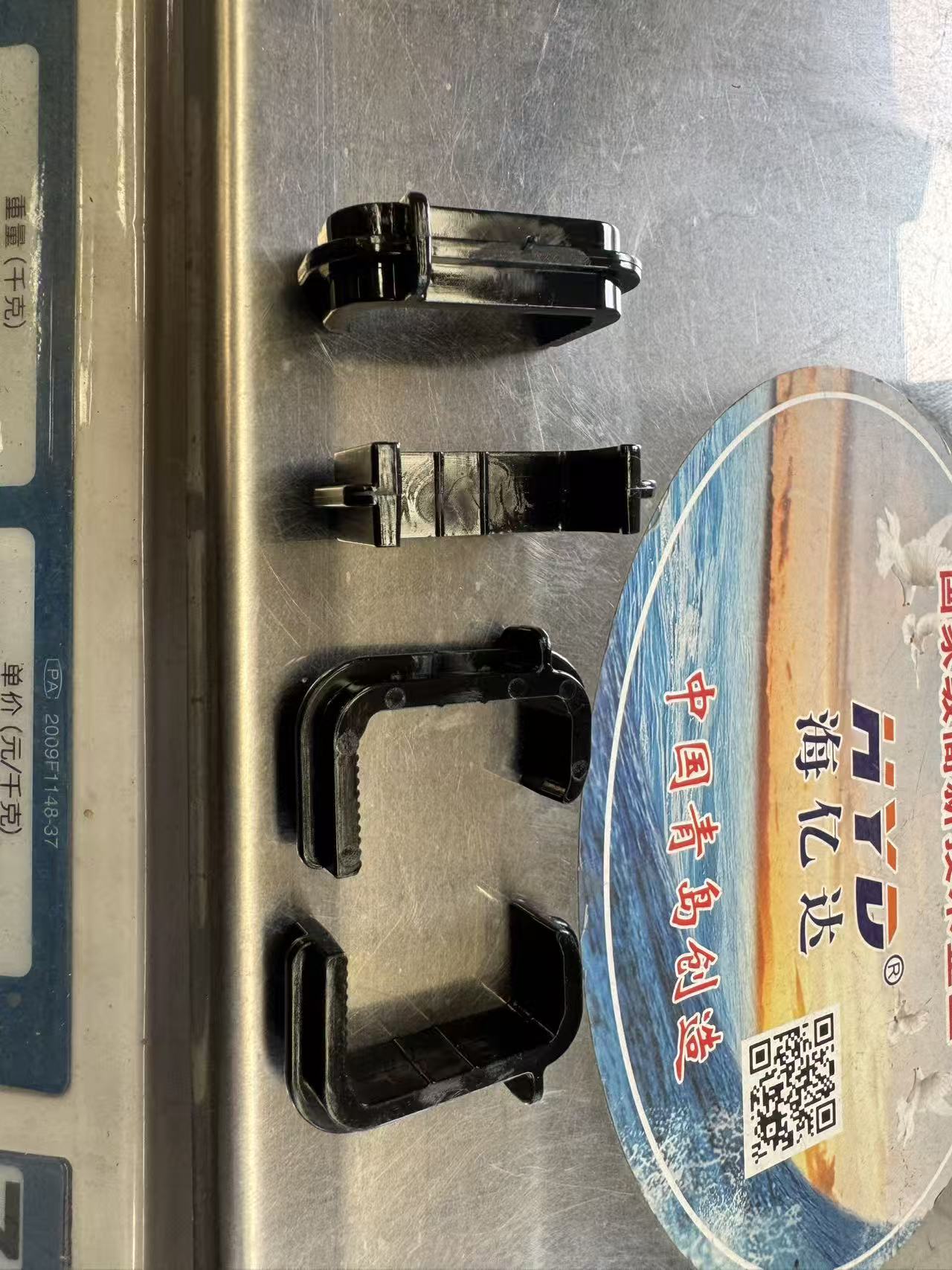
Durable default fixing for most frame types and most jobs.
Details · Request a Quote

Alternative fixing that suits buyers wanting a different clip material.
Details · Request a Quote

Non-metallic, UV-resistant fixing for frameless or coated frames.
Details · Request a Quote
Reduced clip counts for buyers who supply their own fixings.
Request a Quote
Standard packing for contractors and installers.
Request a Quote
Shelf-ready packaging at printing cost with no minimum.
Request a Quote
Suits distributor and seasonal stock buying in cartons or on pallets.
Details · Request a Quote
Where this size is used
An 8 inch roll suits any job where the panel-to-roof gap is wider than a narrow profile can close, or where the installer wants the mesh to return slightly onto the roof surface for a tidier finish. That covers most pitched tile and metal roofs on residential arrays.
Regionally, 8 inch × 100 ft is a familiar format in the US market, where 6 inch × 100 ft is also common. Australia and the UK more often specify 200 mm × 30 m — the same width and length in metric terms — so this roll travels well across all three markets. Buyers serving several countries can standardise on it and change only the labelling and clip contents. The 6 inch and 8 inch trade guide explains when each width wins, and the 30 m kit page covers the metric pack version.
Roof work is the constant across all of them. Crews should follow the panel manufacturer’s instructions on anything touching the frame or the mounting, and work to local height-safety rules — that applies to ladders, roof anchors and panel handling alike.
Key trade-offs when choosing
Wire diameter against handling. Heavier wire holds a cleaner line on long runs, but it is stiffer to bend by hand and adds weight to every carton. For short residential runs with an even gap, 1.0 mm is usually enough; if your crews are working long perimeters or the gap line wanders, 1.3 mm earns its extra weight. The middle 1.2 mm is the compromise when you want one SKU to cover both.
Galvanised against stainless. Galvanised with black PVC is the standard build and is the usual starting point for inland work. Stainless is the upgrade when the buyer expects a longer service life or the site is near the coast — only 316 carries the 25-year warranty (free replacement mesh), and we have no salt-spray data, so any corrosion claim should stay general. The coated steel versus stainless comparison walks through this choice.
Clip material against contact and exposure. Stainless clips are the durable default for most jobs. Aluminium is an alternative where a lighter-cost fixing is wanted. Nylon suits frameless or coated frames where a non-metallic fixing is preferred, and its UV resistance matters on exposed roofs — but it is not the pick for every frame type. Check the frame profile against the frameless panel clip page before you commit a batch.
Stock against custom. Stock sizes ship once confirmed. Custom heights and stainless builds are made to order, and 304/316 stainless takes about one week to produce. If a job has a fixed start date, stock sizes are the safer plan; if the buyer wants a matched finish or an unusual height, custom is worth the longer clock.
Cartons against pallets. Under 50 rolls ship in cartons; 50 rolls and above go on pallets. For a distributor with a small store room, cartons are easier to receive; for a contractor running a season, pallet quantities cut handling. Mixed sizes count toward the same minimum of 10 rolls.
Ordering against payment terms. PayPal suits small orders; bank transfer suits larger ones; orders can also run on 30% deposit with 70% before shipping. Cash on delivery is not accepted, so build payment timing into the job plan.
Packing, lead time and fitting
Packing follows wire diameter. The 1.0 mm 8 inch roll is packed two rolls per carton, so 10 rolls arrive as 5 cartons. The 1.3 mm 8 inch roll is one roll per carton at 300 × 300 × 210 mm and 5.8 kg before clips. The 1.2 mm 8 inch roll is 4.5 kg per roll. Under 50 rolls leave in cartons; 50 rolls and above are palletised. Your logo sticker goes on the carton free, and a custom printed colour box is available at printing cost.
Lead time depends on the build. Stock sizes — 6 inch and 8 inch in 1.0 mm and 1.3 mm galvanised — ship once the order is confirmed. 304 and 316 stainless take about one week to produce. For delivered orders to Australia, allow about 6–8 weeks from payment to your door, of which roughly 30–35 days is at sea; the rest is booking, loading, customs and final delivery. Freight is quoted as its own line with its own amount, separate from the goods. The shipping and DDP page sets out how door-to-door works.
Fitting is straightforward with the right clips. Cut the mesh to the run length, bend it to the gap profile, hook the clip wire onto the panel frame, pass it through the mesh and press the retaining disc down with pliers, then trim the excess. Two people keep the line straighter on long runs. Installation videos and written guidance are available, and the installation guide plus the installation resources cover the sequence in detail. If you are supplying installers in cyclone-prone regions, check the cyclone-region install notes for fixing guidance.
How a custom order works
Custom orders start with the build, not the price. Tell us the wire diameter, width and length, clip material and how many clip sets per roll you want. If the height or length is outside the seven standard sizes, say so up front — those are quoted individually and are not held in stock.
Next comes packing and branding. Standard is a plain carton with your logo sticker. A printed colour box is charged at the printing cost with no minimum, which makes it practical for a first private-label run. If your market needs a specific carton count per pallet for a distribution centre, raise that with the order so the packing plan is set before production.
Then the commercial side: quantity, delivery country and postcode, and payment method. We quote freight as a separate line so you can see goods and delivery apart. For stock sizes, 10 rolls is the minimum and you can mix sizes to reach it; stainless is made to order from 10 rolls. Payment can run through PayPal for small orders, bank transfer, or 30% deposit with 70% before shipping.
Finally, samples. One roll is free with freight paid by you, and stock samples can ship the same day. That is the quickest way to test a wire diameter or clip type against a real frame before committing a season’s stock. The sample and MOQ page and the ordering process page set out the steps. If you are weighing a private-label programme with your own carton design, the wholesale page is the place to start.
What to tell us when you ask for a quote
A complete enquiry gets a complete answer. Include these details and the quote can go out without a second round of emails:
- Wire diameter: 1.0 mm, 1.2 mm or 1.3 mm, or stainless if that is the target.
- Width and length, or confirm 8 inch × 100 ft.
- Clip material — stainless, aluminium or nylon — and sets per roll (60, 80 or 100).
- Quantity in rolls, and whether sizes are mixed.
- Packing: plain carton with logo sticker, or printed colour box. Include artwork timing if you have it.
- Delivery country and postcode, so freight can be quoted as its own line.
- Payment method and whether deposit terms are needed.
- Target delivery window, especially if the job has a fixed start date.
- Any custom height or length outside the standard sizes.
Send those and you will get a quote covering goods, clips, packing and freight as separate lines. You can send them through the quote request page, or check the delivered-cost estimate first with the delivered price calculator, which gives a door estimate for Australian states on orders up to 49 rolls. For broader comparisons across suppliers, the supplier selection page is a useful check before you finalise a season order.
FAQ
What is the mesh opening on an 8 inch x 100ft solar panel bird guard?
It is 1/2 inch (12.7 mm) welded mesh, black PVC coated over galvanised wire as standard. The opening is small enough to stop pigeons and rodents passing through while the welded grid stays rigid when bent.
What is the minimum order for this roll?
Ten rolls for stock sizes, and you can mix sizes to reach the minimum. Stainless steel is made to order from 10 rolls.
How long does delivery to Australia take?
About 6–8 weeks from payment to your door on a door-to-door duties-paid order, with roughly 30–35 days of that at sea. The remainder covers booking, loading, customs and final delivery.
Which wire diameter should I choose?
1.0 mm suits short residential runs with an even gap, 1.3 mm holds a cleaner line on long or uneven runs, and 1.2 mm is the middle option. Heavier wire is stiffer to bend and adds carton weight.
Is stainless steel available with a warranty?
316 stainless mesh is available with a 25-year warranty (free replacement mesh). Galvanised mesh does not carry this warranty.
How many clips come with each roll?
60, 80 or 100 sets per roll, with 100 sets as the default. Clip material can be stainless steel, aluminium or UV-resistant nylon.
How is the order packed?
1.0 mm 8 inch rolls pack two per carton, so 10 rolls arrive as 5 cartons; 1.3 mm 8 inch rolls pack one per carton. Under 50 rolls ship in cartons and 50 rolls and above go on pallets. Your logo sticker is applied free.
Can I get a sample before ordering?
Yes. One roll is free and you pay the freight. Stock samples can ship the same day.
Request a Quote
Send your drawing or size list, the quantity and the delivery country, and we will reply with options and a quote. Request a quote.